
Full text loading...


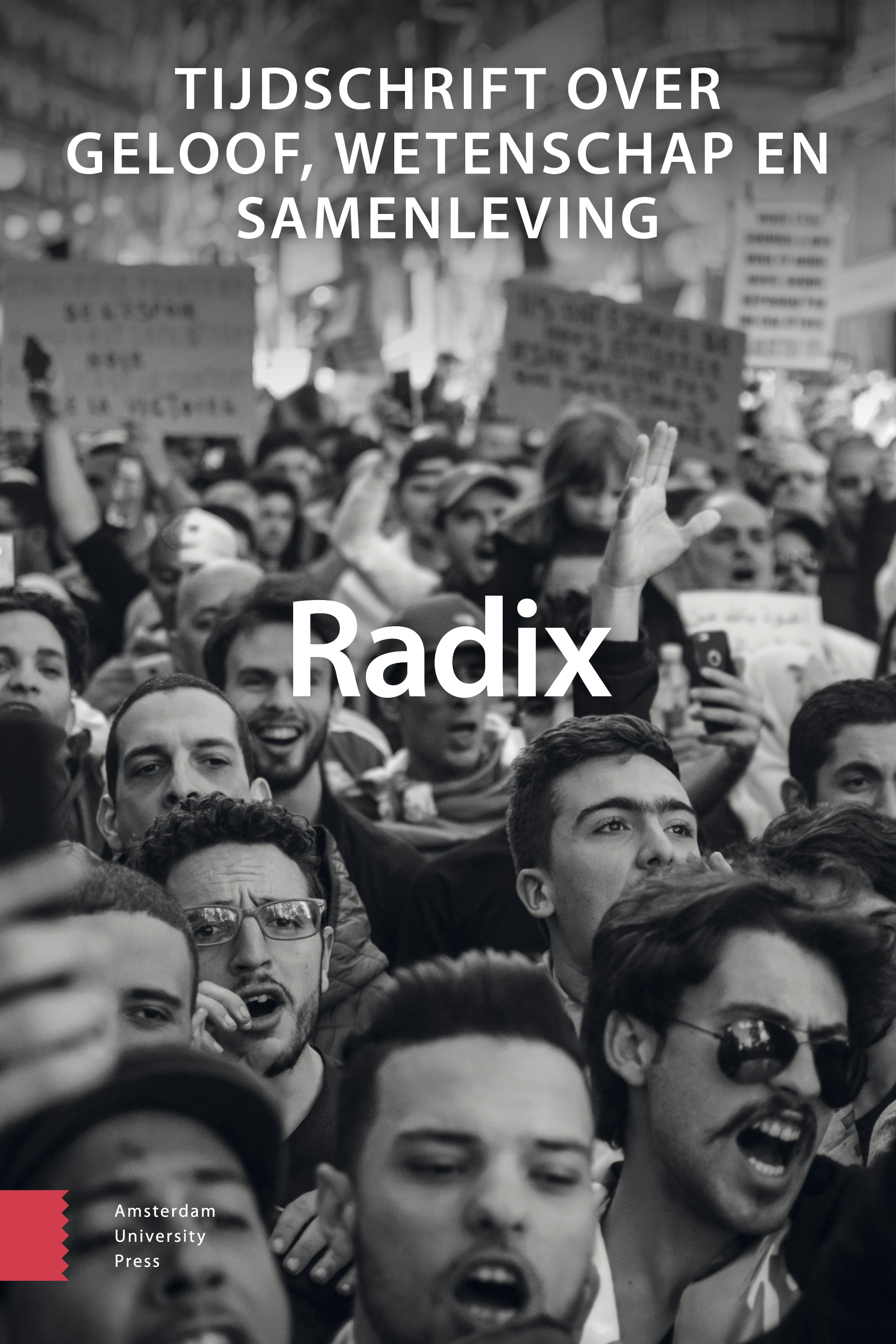
This study explores the question of ‘order’ in contemporary society, where democratic institutions are under pressure and appeals to ‘the will of the people’ or ‘holy anger’ often replace the rule of law. Is order inherently good, or can it also be oppressive and authoritarian? Can chaos sometimes be life-giving? To address these questions, the work turns to the Dutch theologian K.H. Miskotte (1894–1976) and his book Edda and Thora (1939). Miskotte contrasts the mythical order of Germanic paganism, expressed in the Edda, with the covenantal order of the Hebrew Bible. He does so phenomenologically, seeking the essence of paganism, Judaism, and Christianity. For Miskotte, this is not an academic exercise but a spiritual struggle: behind each conception of order lies a worldview with its own gods, anthropology, and morality. In pagan myth, chaos and coercion intertwine in a violent, cyclical cosmos governed by fate and heroism. In contrast, the Torah presents a dynamic order grounded in creation, covenant, and obedience to a good God. This order unites freedom and law, always subject to prophetic critique. Applied to today, Miskotte’s distinction illuminates the ongoing tension between authoritarian, mythic orders and covenantal, liberating orders. The choice remains urgent: which spirit shapes the order we defend?